|
|

|
Library Update
|
|
|
|
|
|
|
|
|
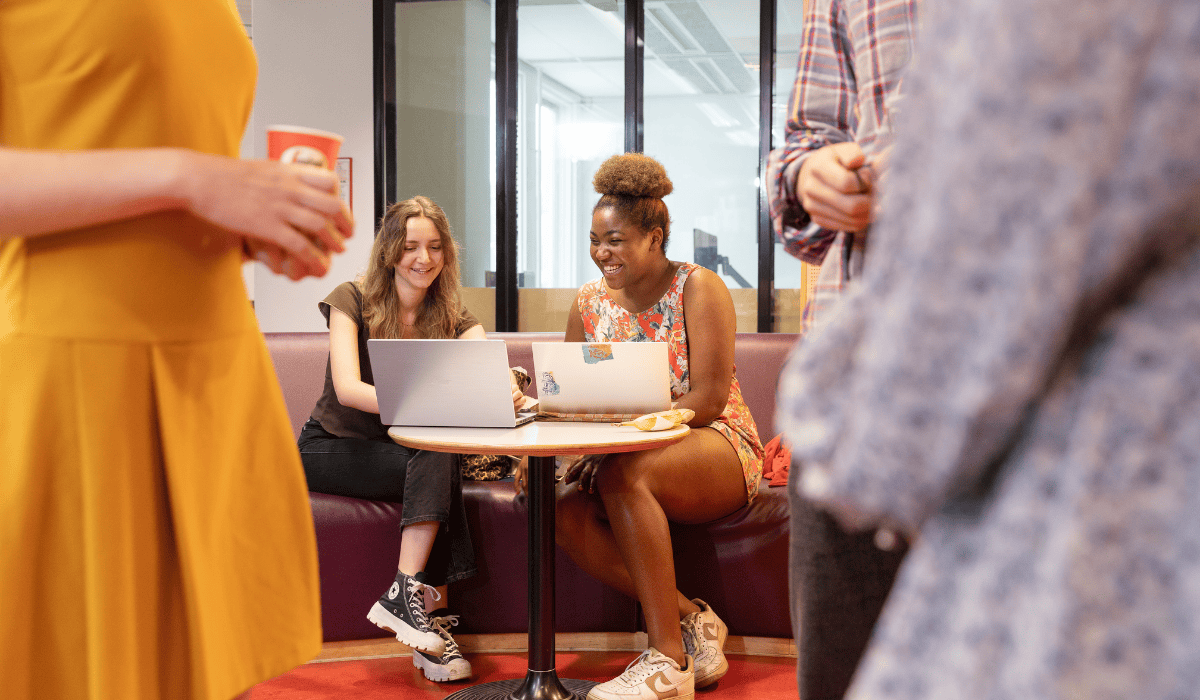
Did you know that Microsoft Teams offers tools to support student group work? A main benefit is that group work takes place in a licensed and managed environment, rather than relying on free tools, such as Google docs.
|
|
|
|
|
|
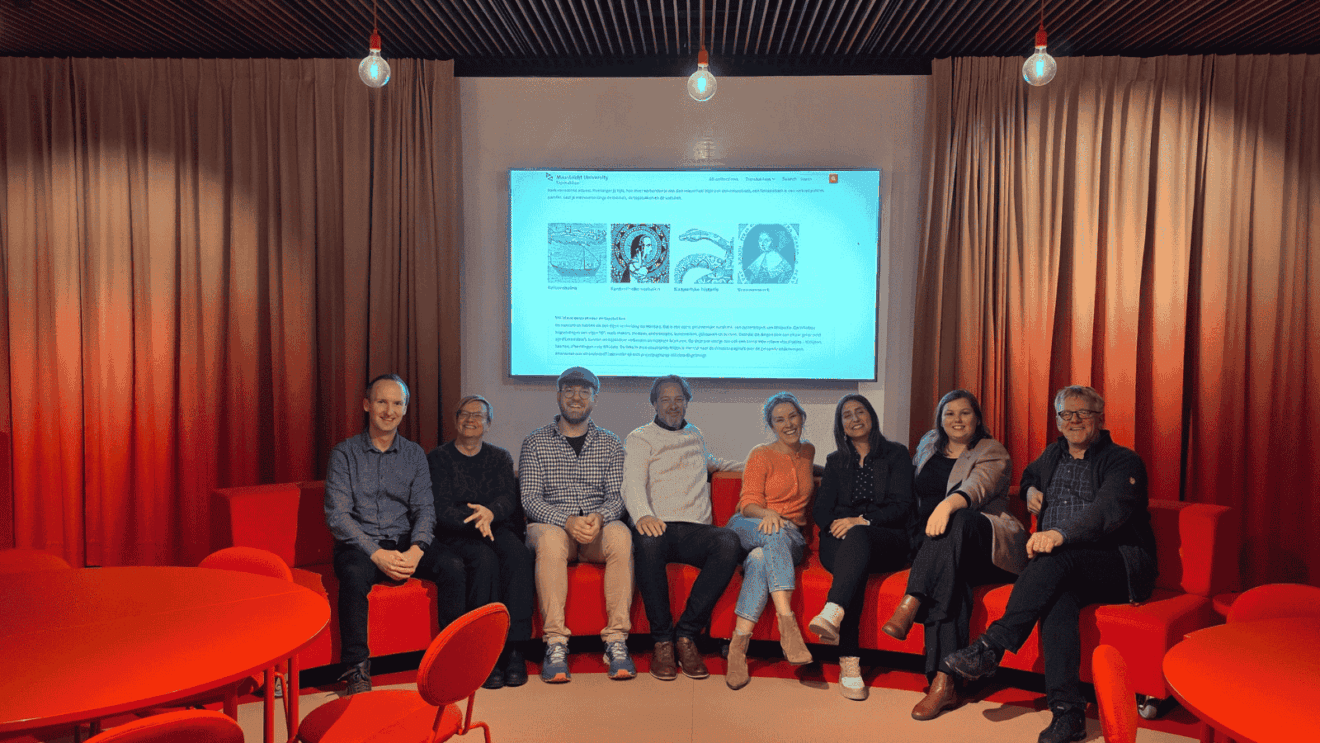
Maastricht University (UM) and Radboud University (RU) joined forces to bring their most remarkable heritage objects into the digital spotlight. Through the Open Topstukken Project, both universities digitised and shared 15 key objects, making them accessible, findable and reusable to researchers, students, and the public worldwide.
|
|
|
|
|
|
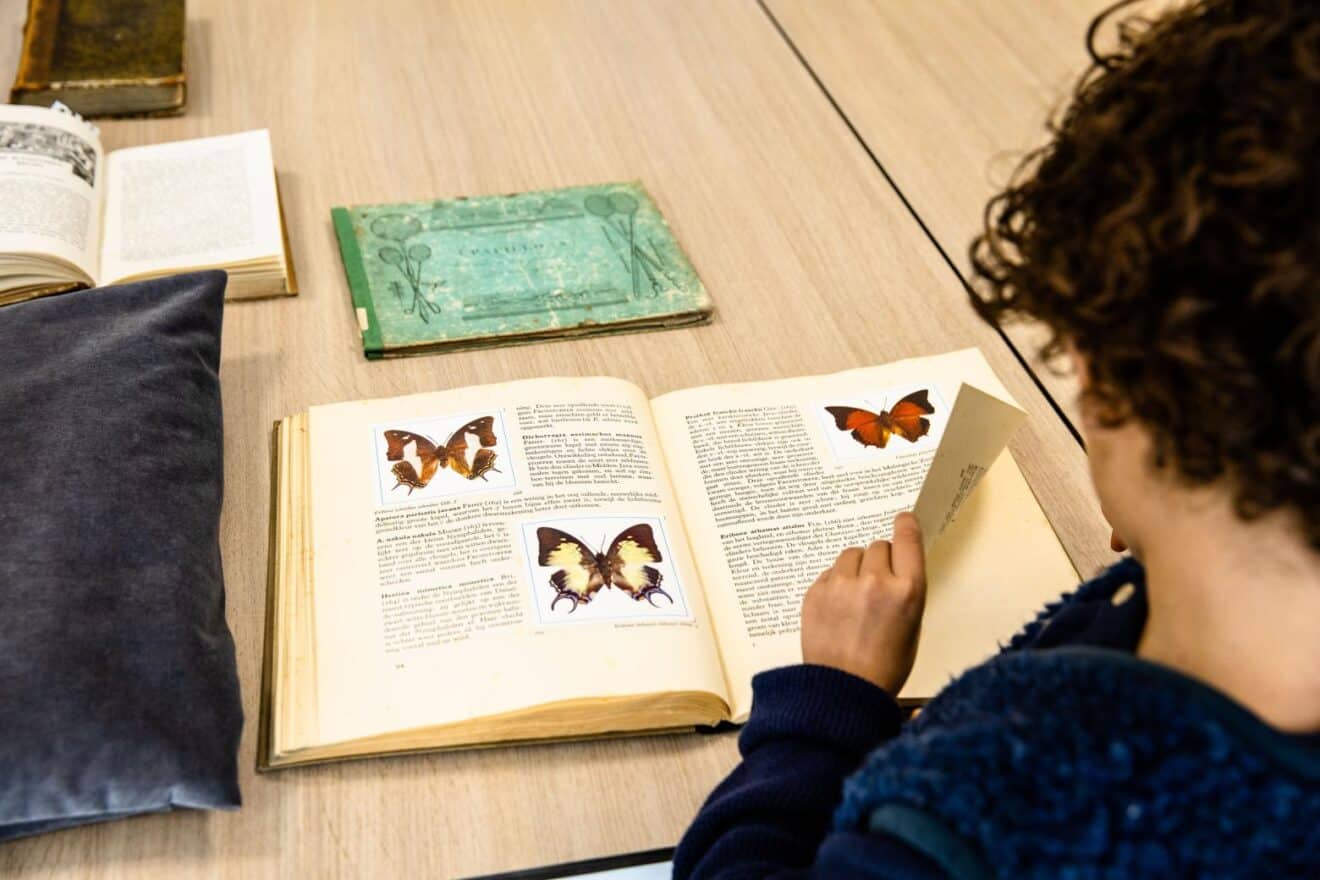
During the Weekend van de Wetenschap (Weekend of Science), visitors were invited into the wonderful world of butterflies. The University Library participated with the activity “Butterflies through the eyes of science and art”, where science, art, and history beautifully came together to inspire both young and old.
|
|
|
|
|
|
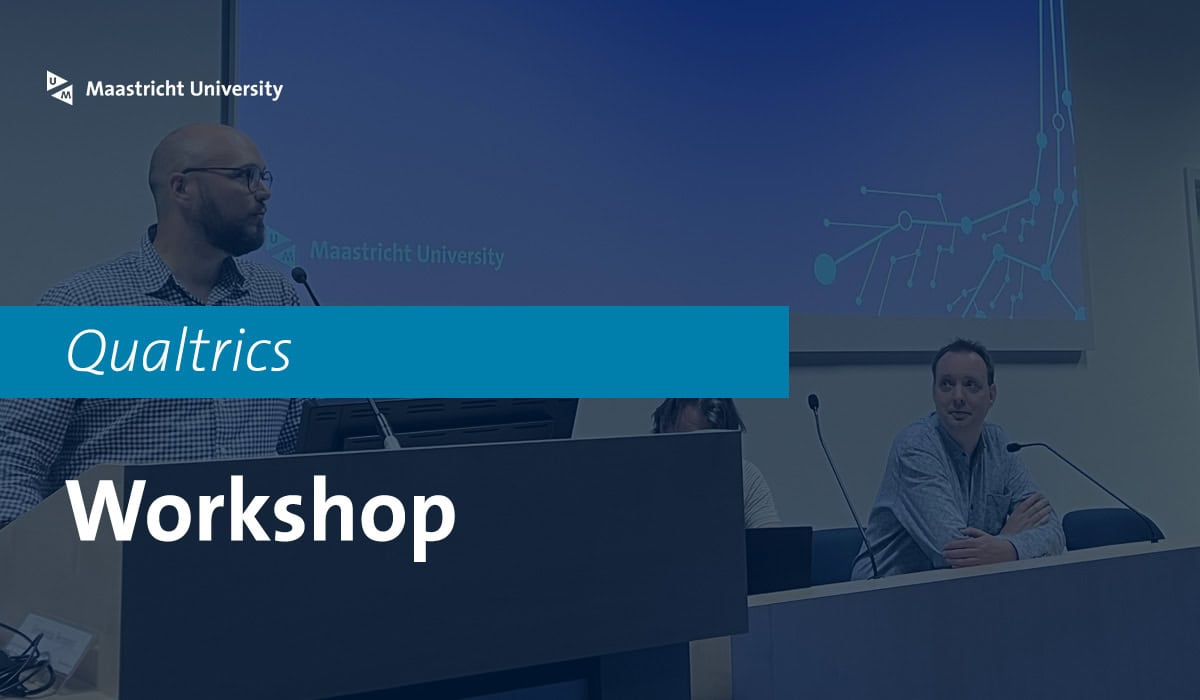
Whether you are preparing a thesis study, running course evaluations, collecting feedback after an event, or conducting research, Qualtrics provides a flexible and reliable space for data collection and analysis.
|
|
|
|
|
|
Will you be working on a literature review this year? If so, it is good to know that Covidence is now available to the entire UM community.
|
|
|
|
|
|
|
|
|
13 October - 13 April 2025:
|
|
|
|
|
|
|
|
|
|
Working towards the academic library of the future
|
|
|
|
|
|
|
Did you know...
|
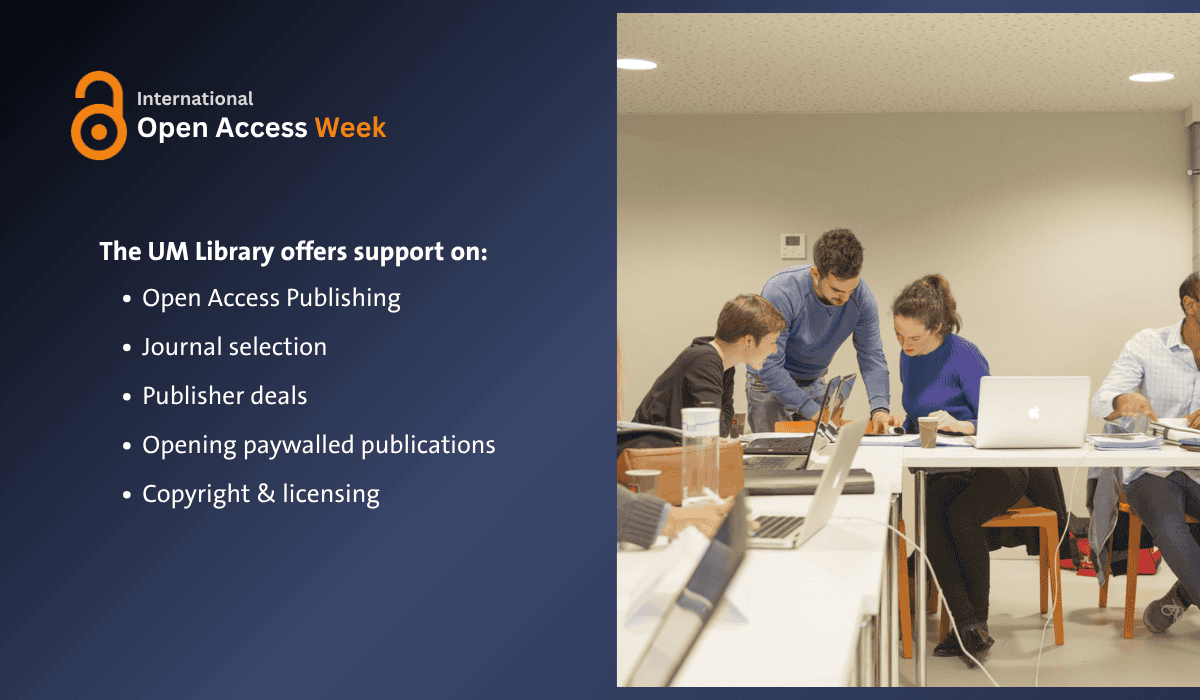
... that last week was International Open Access Week? The University Library provides comprehensive support for Open Access publishing. We can help you select the right journals, navigate publisher deals, access paywalled publications, and understand copyright and licensing. We're here to assist you in making your research more visible, accessible, and impactful.
|
Find out more about the resources and our support on our website.
|
|
|
|
|
|
|
|
|
|
|
|
|
|
|