|
|

|
Library Update
|
|
|
|
|
|
|
|
|
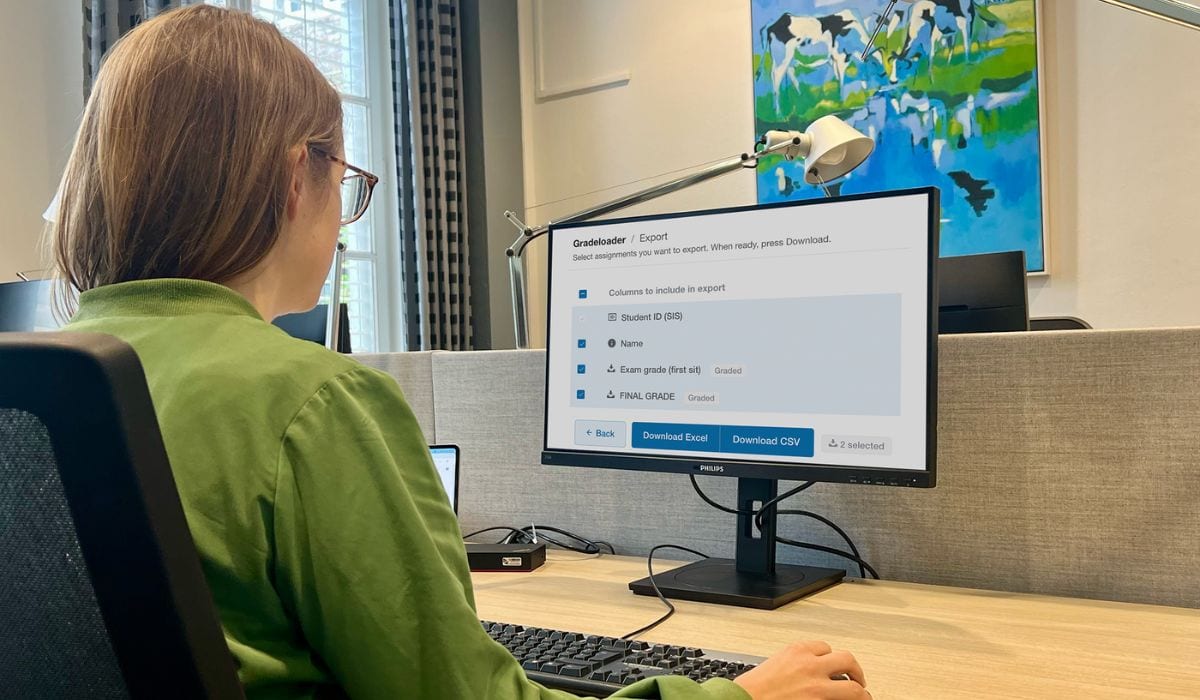
The University Library recently added two new tools for course coordinators in Canvas: Gradeloader and Course2PDF.
|
|
|
|
|
|
Join us for the third Omeka S International Developer & Power User Event, taking place from 16–18 September 2026 at Maastricht University.
|
|
|
|
|
|
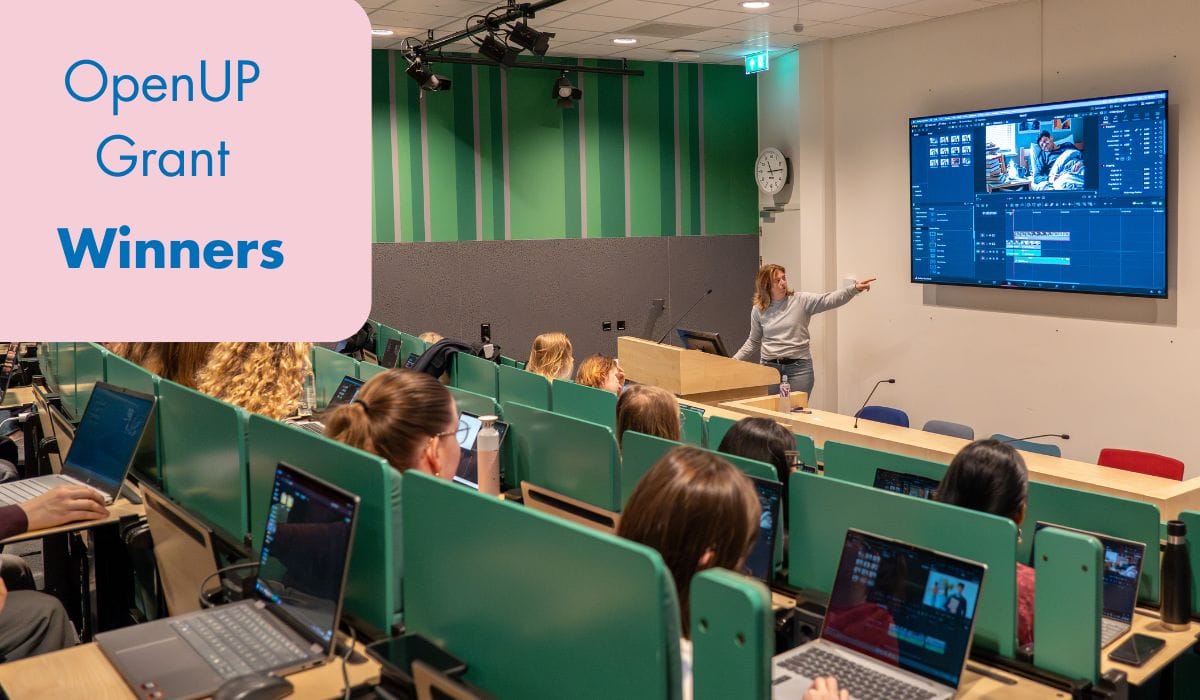
Last May, we invited UM educators to apply for the OpenUP Grant: €5,000 per project, with 12 grants available across all faculties, to turn teaching materials into open, accessible and reusable resources. From 25 proposals, 12 projects were selected: two from each faculty.
|
|
|
|
|
|
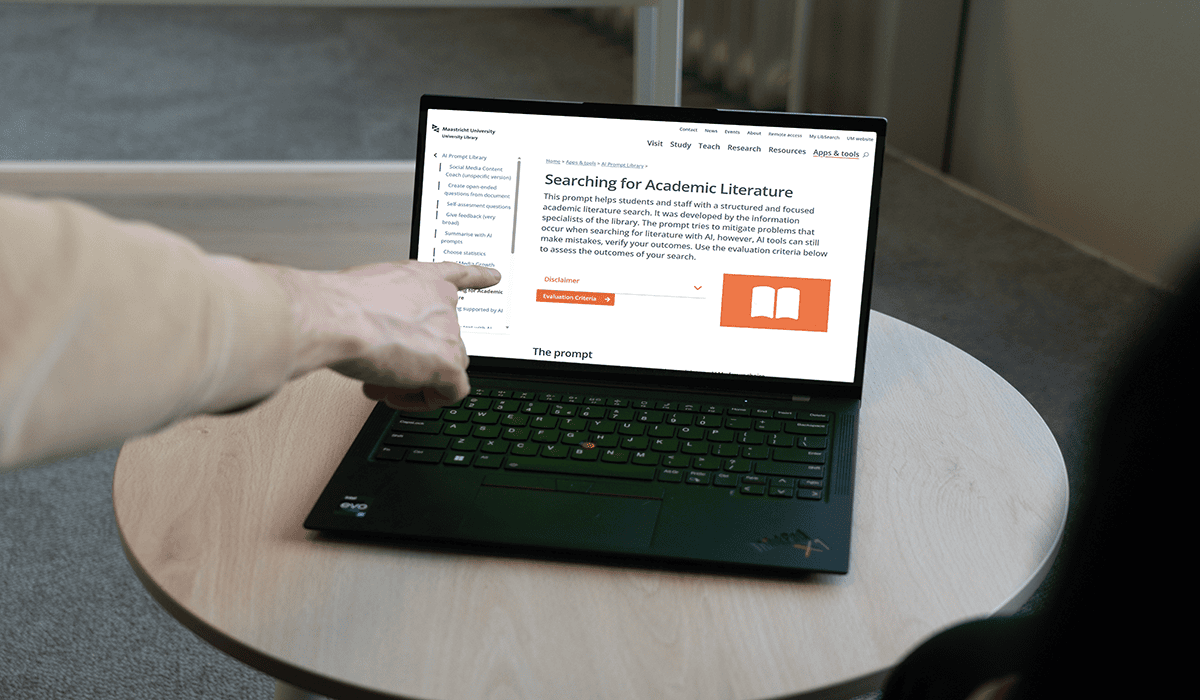
Over the past academic year, colleagues from different Maastricht University (UM) Library teams collaborated on a project to develop criteria for evaluating the output of (generative) AI tools. Existing evaluation methods, such as the well-known CRAAP-test, fall short when it comes to evaluating AI output.
|
|
|
|
|
|
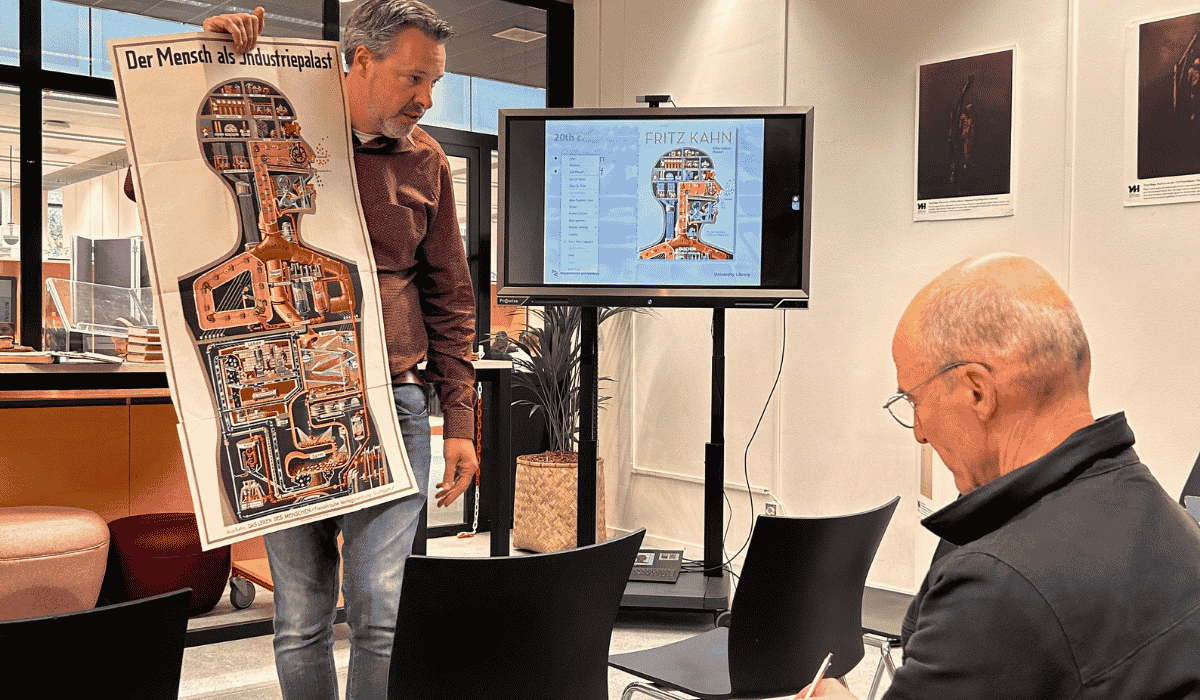
Over the past six months, Special Collections has temporarily made use of the Wellbeing Room for a varied public programme. The space offered an inviting setting for people to step away from their daily routine, explore new ideas and engage with collections, stories and one another.
|
|
|
|
|
|
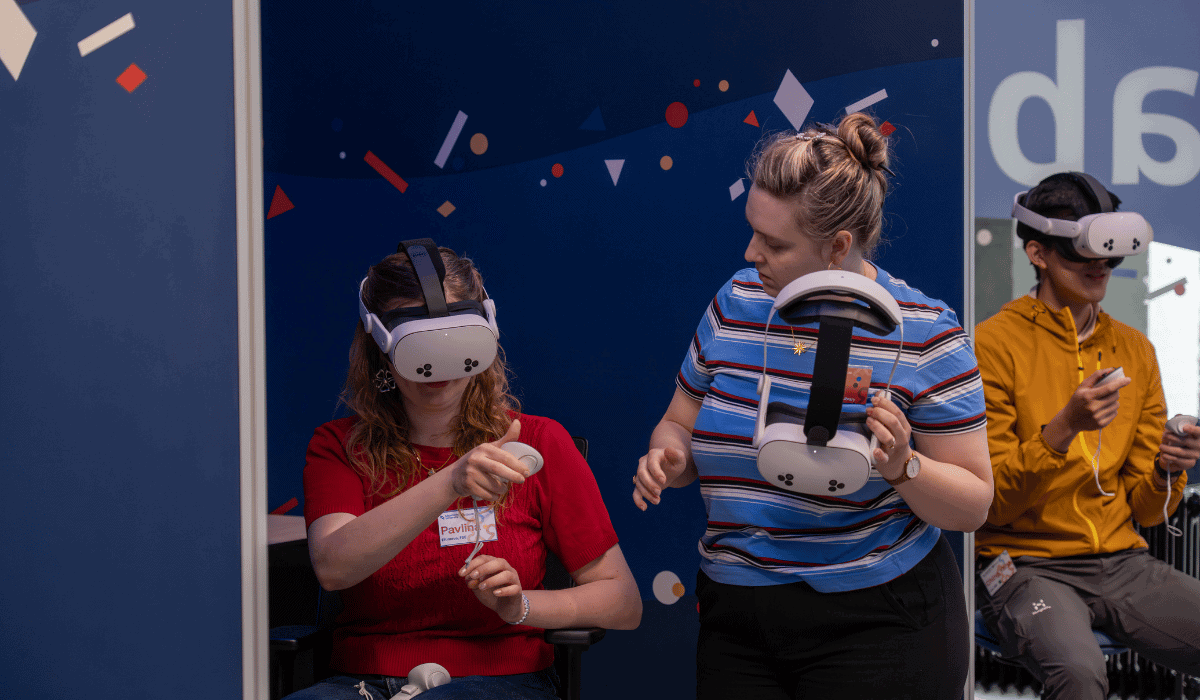
During this year's Maastricht University (UM) Education Days, colleagues from the UM Library shared practical approaches to educational innovation. Through two interactive workshops, participants explored how emerging technologies can enrich teaching while encouraging students to use them critically and responsibly.
|
|
|
|
|
|
Maastricht University Library is currently developing a Digital Literacy Competence Framework to help define the digital knowledge, skills and attitudes students should develop during their studies. Faculty consultations are now underway to help shape the framework and explore how these competences can be embedded into curricula across Maastricht University (UM).
|
|
|
|
|
|
|
|
|
|
|
|
|
|
|
|
Working towards the academic library of the future
|
|
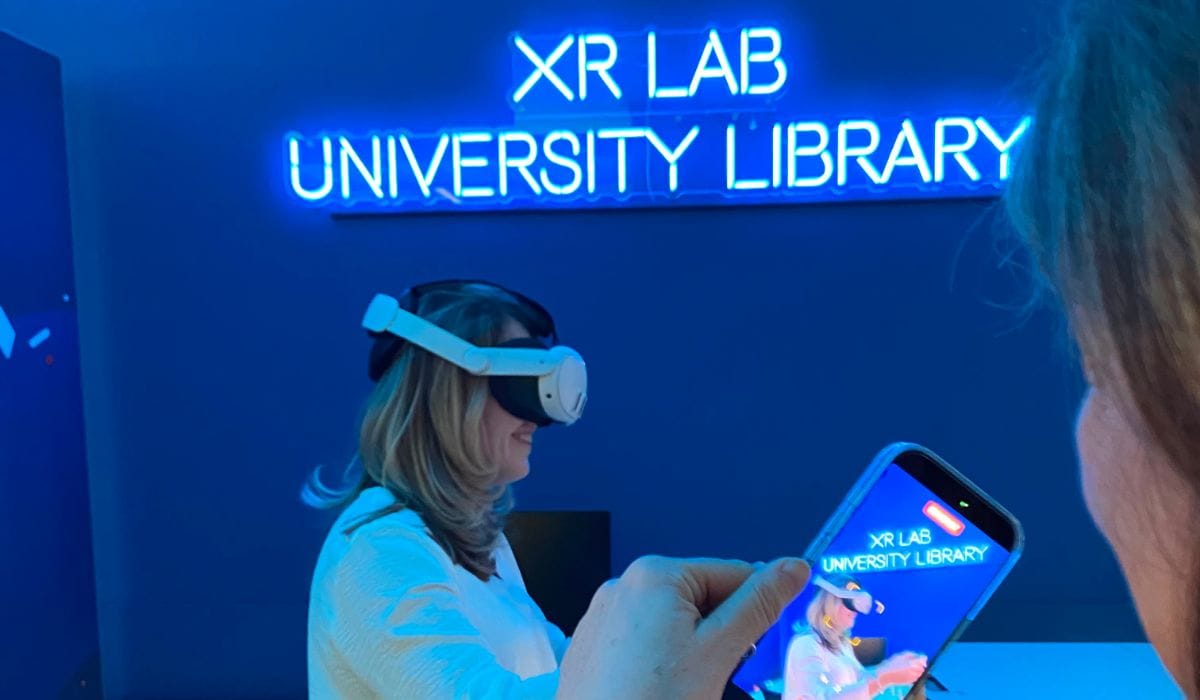
Maastricht University Library is bringing its digital facilities and spaces together under one collective concept: the Digital Labs. This strategic development creates a connected environment that supports digital innovation in education and research through technologies such as XR, video, podcasting and 3D printing. Complemented by workshops and introductory sessions, the Digital Labs also contribute to strengthening Digital Literacy across the academic community. By making these facilities and support more visible, accessible, and connected, the library responds to the growing need for digital creation, experimentation and innovation in teaching, learning and research. Read the full article to learn more about the Digital Labs.
|
|
|
|
|
Did you know...
|
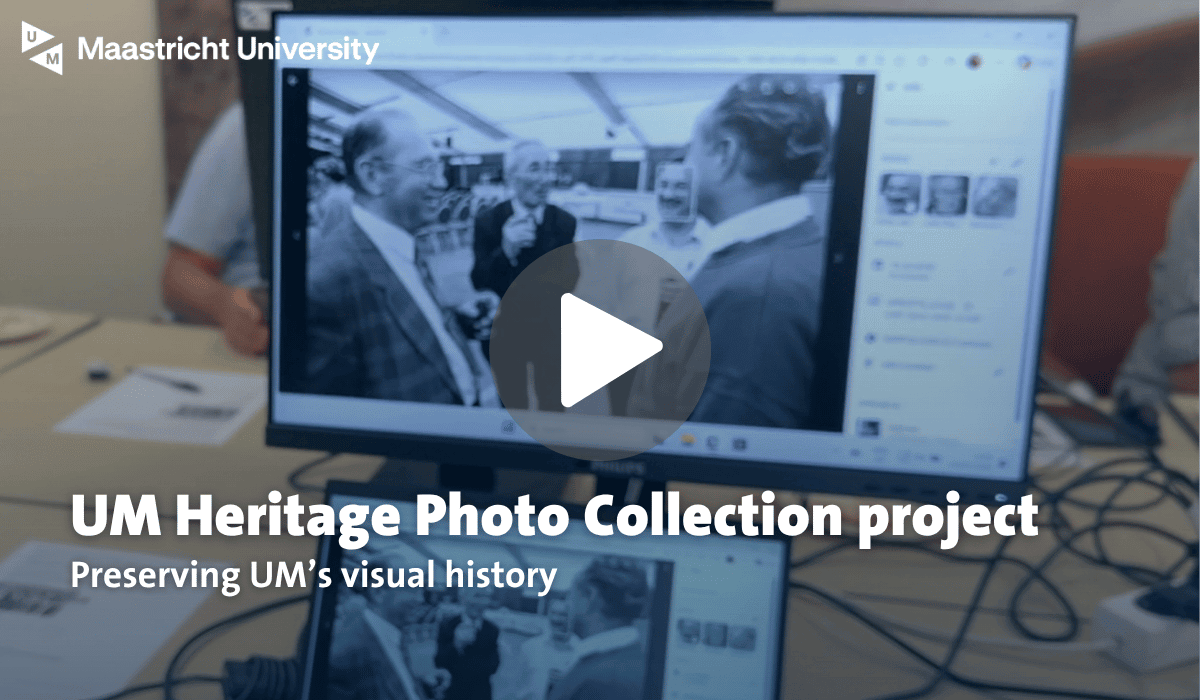
... that Maastricht University Library has been working since 2025 to make historical photographs from the UM archive more accessible through the Maastricht University (UM) Heritage Photo Collection project? Current and former UM employees are helping to analyse photographs documenting the university's history between 1975 and 2003.
|
Watch our second session and see how participants work together to analyse the photographs.
|
|
|
|
|
|
|
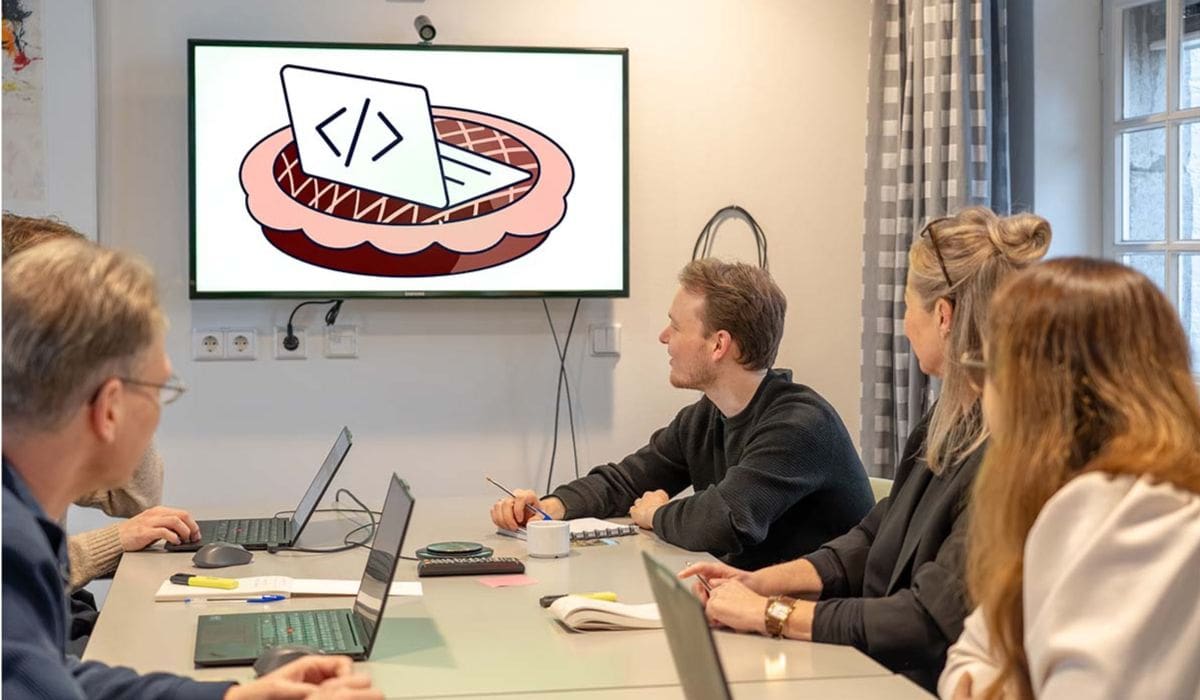
... that Programming on the Vlaai is a new recurring series for Maastricht University researchers and students who use programming in their work or would like to develop their programming skills?
|
Each session combines a short introduction to a scientific programming topic with an informal work session where participants can exchange knowledge, work on their own projects and enjoy a slice of vlaai.
|
|
|
|
|
|
|
|
|
|
|
|
|
|
|