
News archive
Category: Research
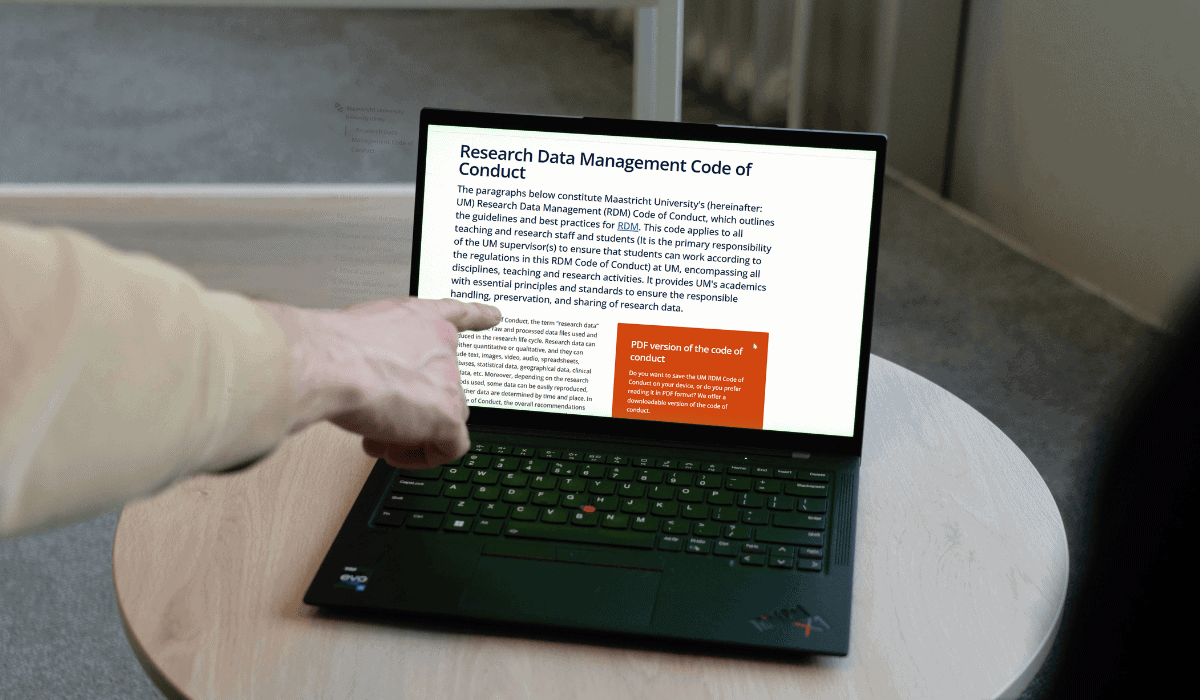
Research Data Management Code of Conduct
Maastricht University (UM) has published an updated version of its Research Data Management (RDM) Code of Conduct. This update replaces the version approved in 2024 and includes a new paragraph on Artificial Intelligence, several clarifications and some minor adjustments, while maintaining the core principles and expectations for responsible research data management at UM.
…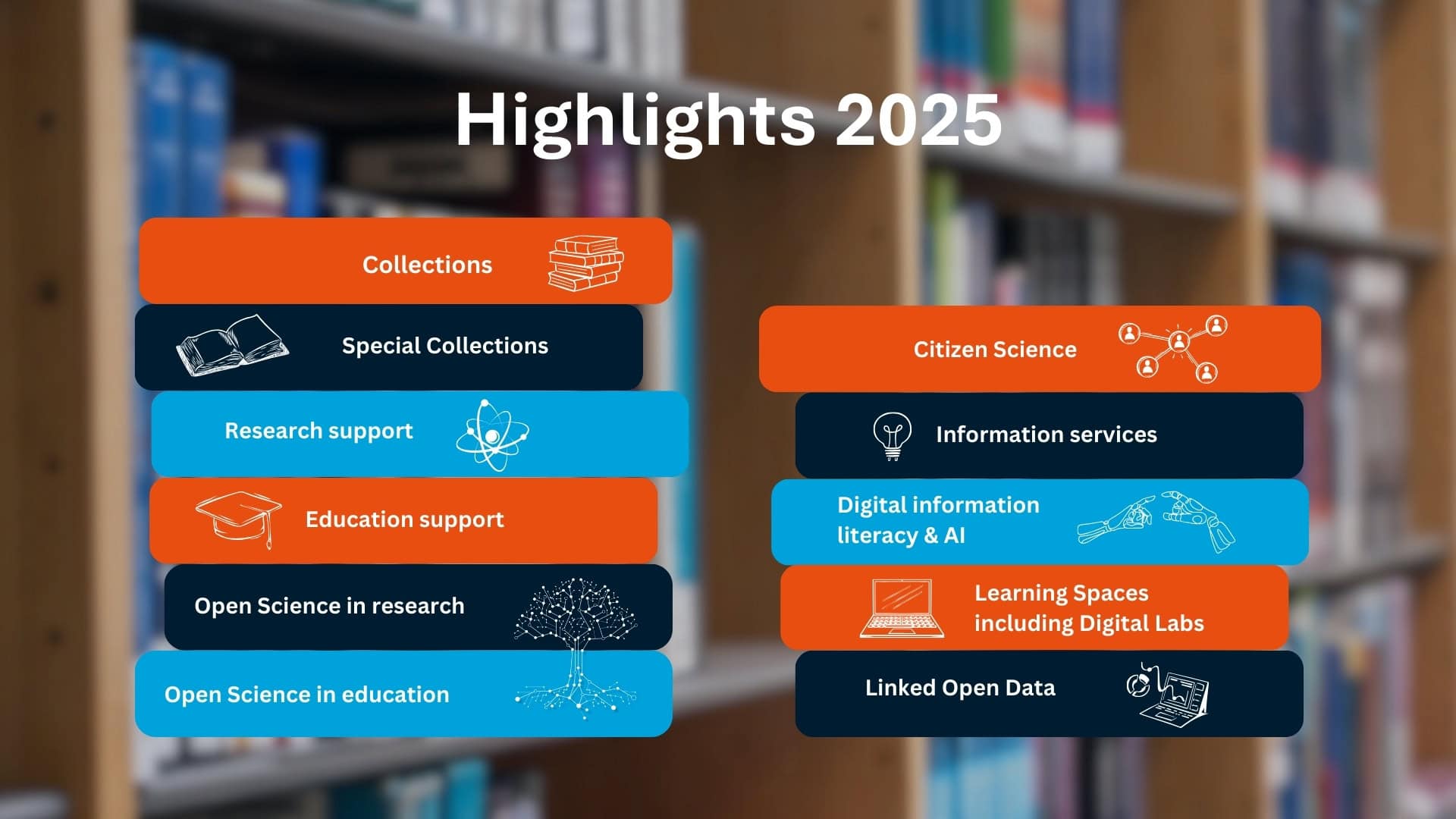
Discover the UM Library Highlights 2025
We are pleased to share a selection of our projects and activities from the past year on our Highlights 2025 web page. With scientific information at the core of our work, we focus on making knowledge accessible and supporting Maastricht University’s (UM) students, teachers, and researchers, as well as our wider network of partners, in achieving their academic goals.
…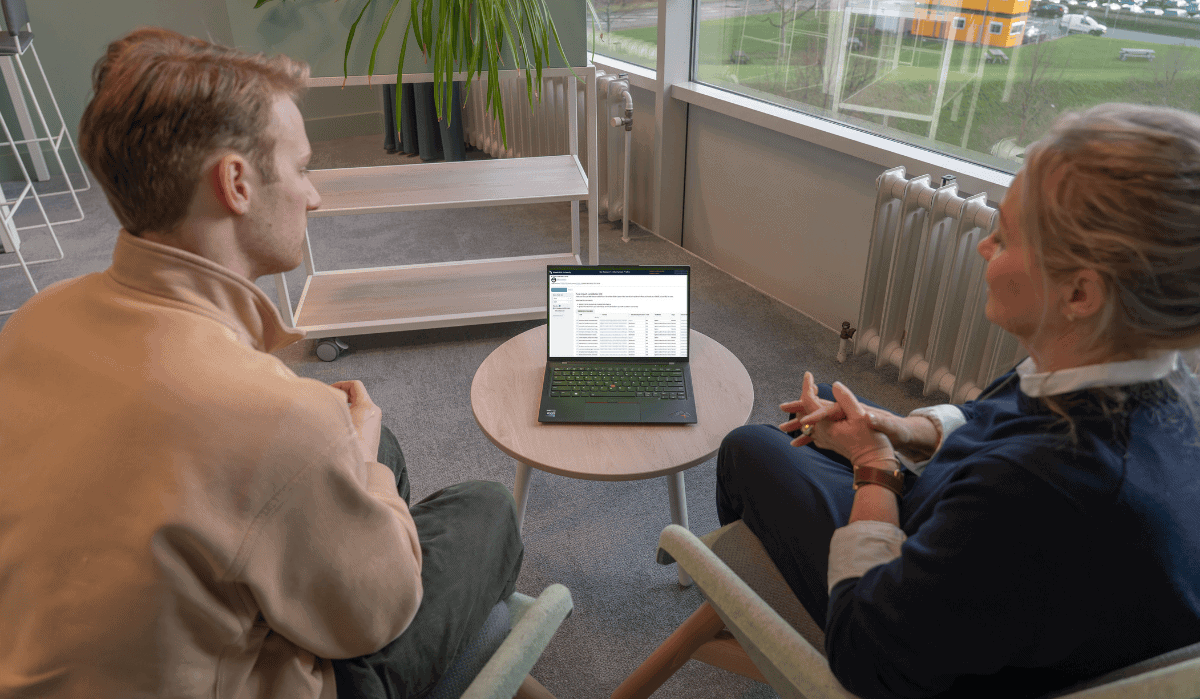
Easily add your datasets and software to your CRIS profile
Interested in adding (the metadata of) your datasets and software in the current research information system (CRIS)? Finding it difficult to collect them because they are stored in different repositories? We are here to help!
…
New de Gruyter Brill Read & Publish agreement from January 2026
As of January 2026, Maastricht University has a new Read & Publish agreement with de Gruyter Brill, negotiated nationally via UKB and SURF.
…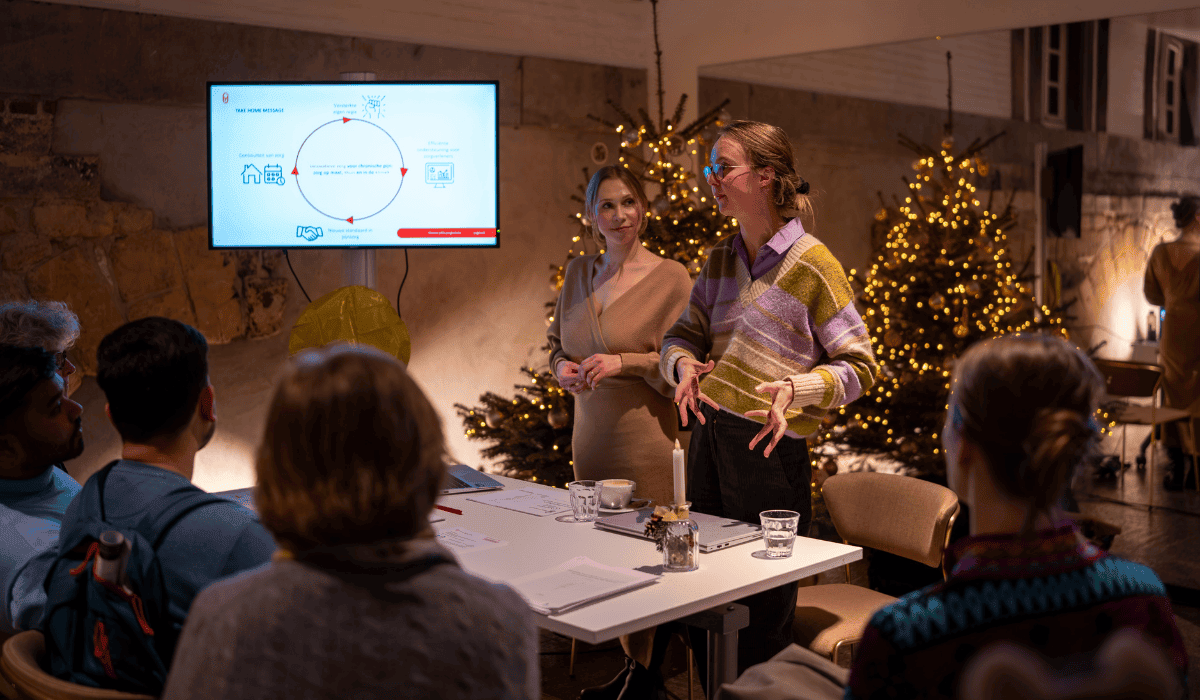
Looking back: connecting citizens and science
On 15 December 2025, the UM Library welcomed citizens, researchers and science enthusiasts to the Citizen Science Matchmaking Event at the Theater aan het Vrijthof. We look back on a vibrant event where members of the public explored and actively participated in research projects from across the region.
…
New Qualtrics Guide for Beginners
We’re excited to announce the launch of the Qualtrics How To’s Beginners Guide. your step-by-step resource for creating, distributing, and analysing surveys in Qualtrics.
…
Maastricht University Press and our Open Access team contribute to OSNL-funded Diamond Open Access projects
Open Science NL and NWO recently awarded grants to 45 projects that strengthen Dutch open science infrastructure, with a focus on Diamond Open Access (DOA). Ron Aardening and Michel Saive from the Library’s Scholarly Communication team, and Maastricht University Press, participate in three awarded initiatives that build capacity for DOA, supporting national and local open-access services and publishing.
…
Towards new horizons of scholarly publishing: Join the national Diamond Open Access meeting in Nijmegen
In early February, researchers, editors, policymakers, and institutional publishers from across the Netherlands will gather in Nijmegen to explore the future of scholarly publishing through Diamond Open Access. On 5–6 February 2026, Radboud University will host the national meeting “Towards New Horizons of Scholarly Publishing”, a two-day event dedicated to researcher-led, fee-free publishing models.
…
Introducing SURF Research Drive: Secure storage for your research data
Managing research data securely and efficiently is essential for every project. Maastricht University now offers SURF Research Drive, a Netherlands-based storage solution designed specifically for research data.
…
‘‘The goal is not just to support research, but to be part of research that truly makes an impact’’
These days, almost every piece of research involves a computer. Whether you are writing code, analysing data or simulating real-world situations, computing plays a central role. It was not always like this. A few decades ago, researchers often worked with pen, paper and notebooks. Today, even writing a simple report usually begins with switching on your computer.
…


