|
|
|
Library Update
|
|
|
|
|
|
|
|
|
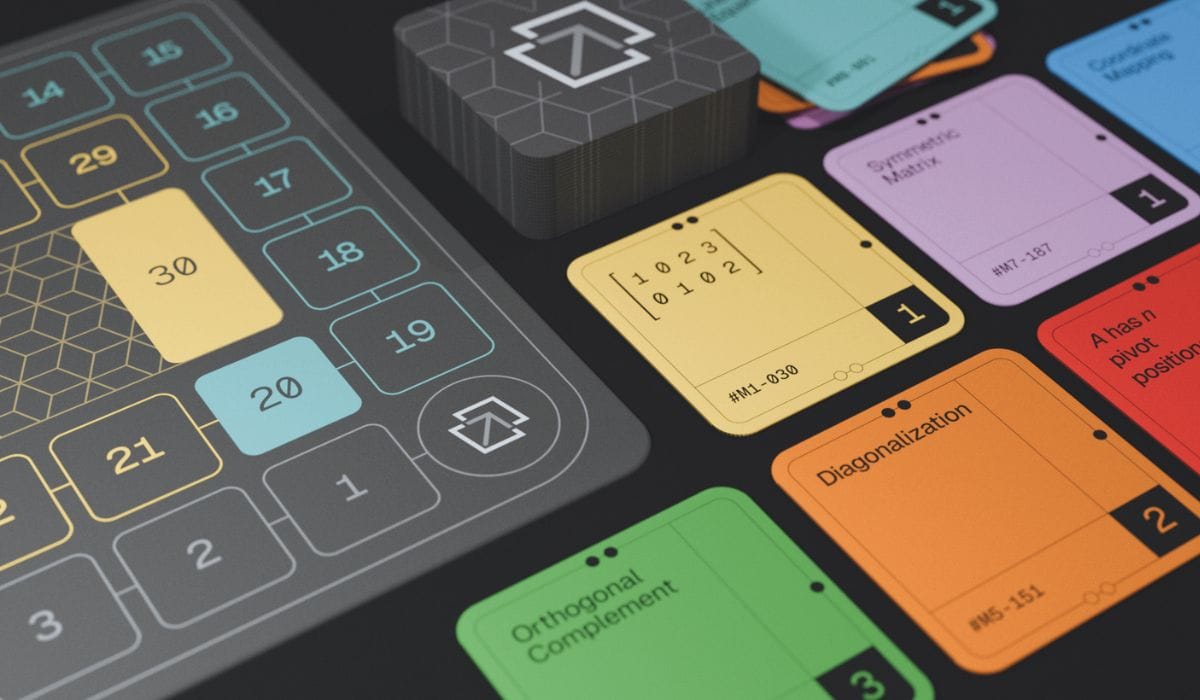
Aki Härmä and Julie Bauer explore a more open, interactive way for students to learn. Most exam preparation follows a familiar pattern: read notes, try a few questions, realise you know less than you thought, panic a little, then carry on. But what if revision could talk back?
|
|
|
|
|
|
The Open Science Community Maastricht and the Open Science Community Parkstad warmly invite researchers, educators, students, and anyone curious about Open Science to sign up for the Open Science Festival Limburg 2026. The festival takes place on 11 and 12 June 2026 and will bring our community together across two locations with activities in Heerlen (11 June) and Maastricht (12 June).
|
|
|
|
|
|
At Maastricht University Library, strengthening critical thinking is an important part of our Digital Literacy Programme, through which we support students, researchers and teachers in navigating the increasingly digital academic environment. The Month of Digital Fitness offers a good opportunity to reflect on how we use digital technologies in our daily work and research.
|
|
|
|
|
|
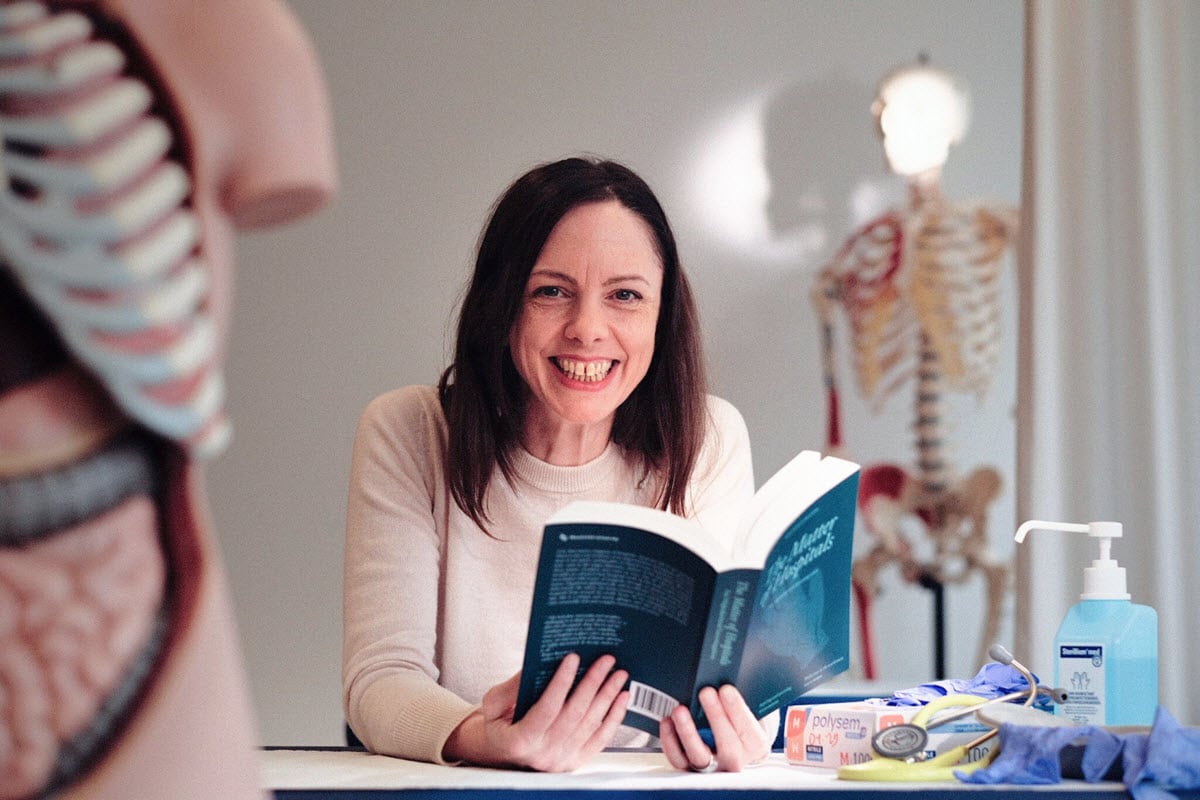
A book about hospitals, care, and everyday objects: written, fittingly, as an act of care itself. We spoke with Professor Anna Harris about the making of The Matter of Hospitals and discovered a story as layered as the essays inside it.
|
|
|
|
|
|
Open Education Week exists to celebrate exactly this: teaching innovations that don’t stay locked in one classroom. This year, we want to spotlight a project from right here at Maastricht University that shows what open education can look like in practice and why it matters.
|
|
|
|
|
|
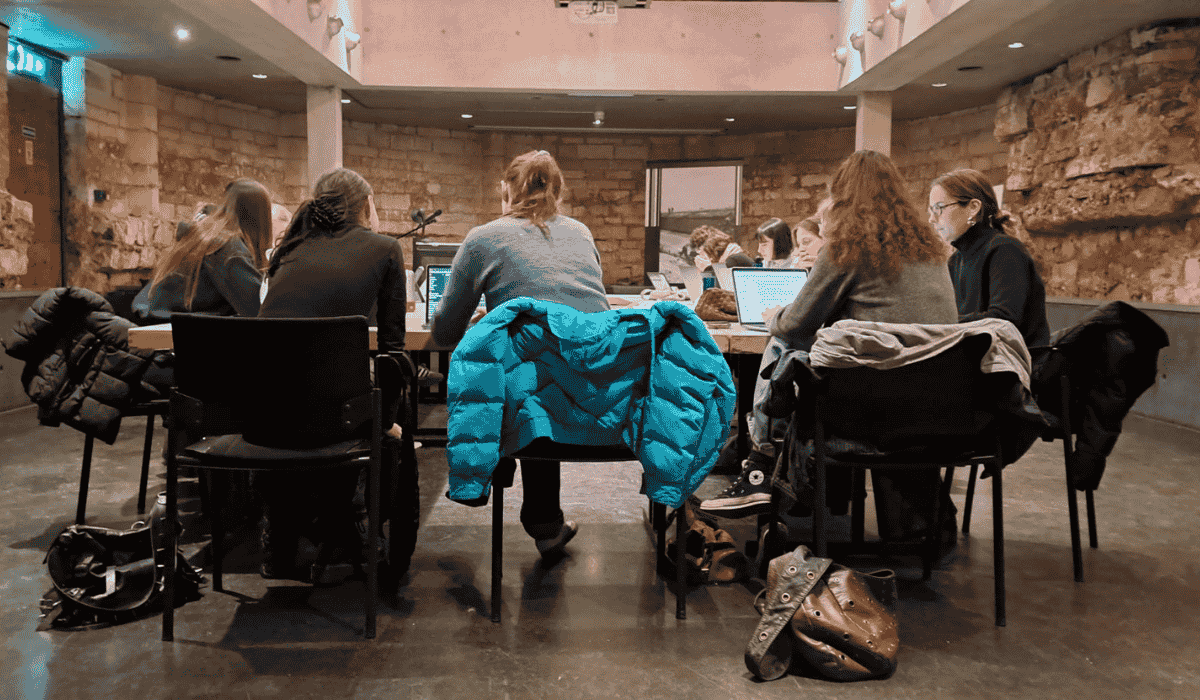
The course “Exploring Historical Parallels: Learning from Medieval History” at University College Maastricht (UCM) has successfully concluded for this academic year.
|
|
|
|
|
|
Building on the strategic theme Scientific Information @ the Core, the new Strategic Collection Plan outlines our ambitions for sustainable, accessible, and future-focused collections.
|
|
|
|
|
|
|
|
|
|
|
|
|
|
|
|
|
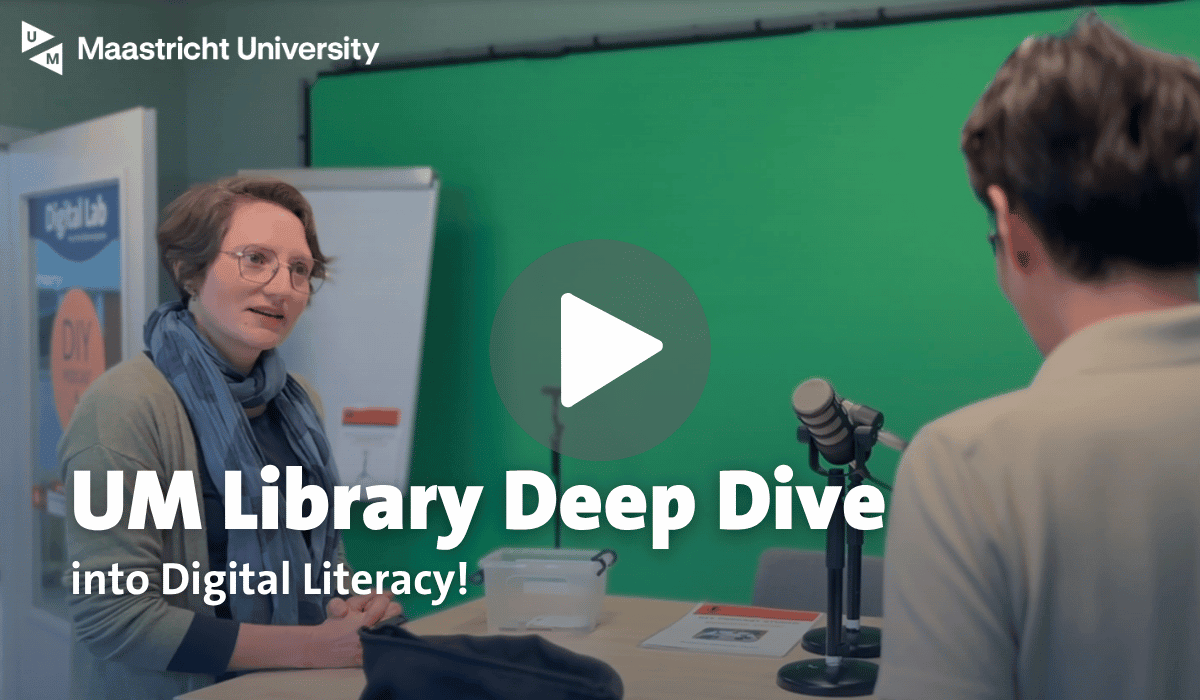
UM Library Deep Dive: Digital Literacy
|
|
|
The library offers a wide range of services and support for the UM community. However, it can sometimes be difficult to understand what a specific service or programme can mean for you. So, what could be better than hearing directly from fellow colleagues?
|
In the latest episode of our video series “UM Library Deep Dive”, Anna-Lena Hoh (Information Specialist Digital Literacy, UM Library) and Rudolf Mueller (Professor of Quantitative Infonomics at Department of Data Analytics and Digitalization, SBE), share how they bring Digital Literacy into practice, supporting students and equipping teachers with the skills they need.
|
|
|
|
|
|
|
Did you know...
|
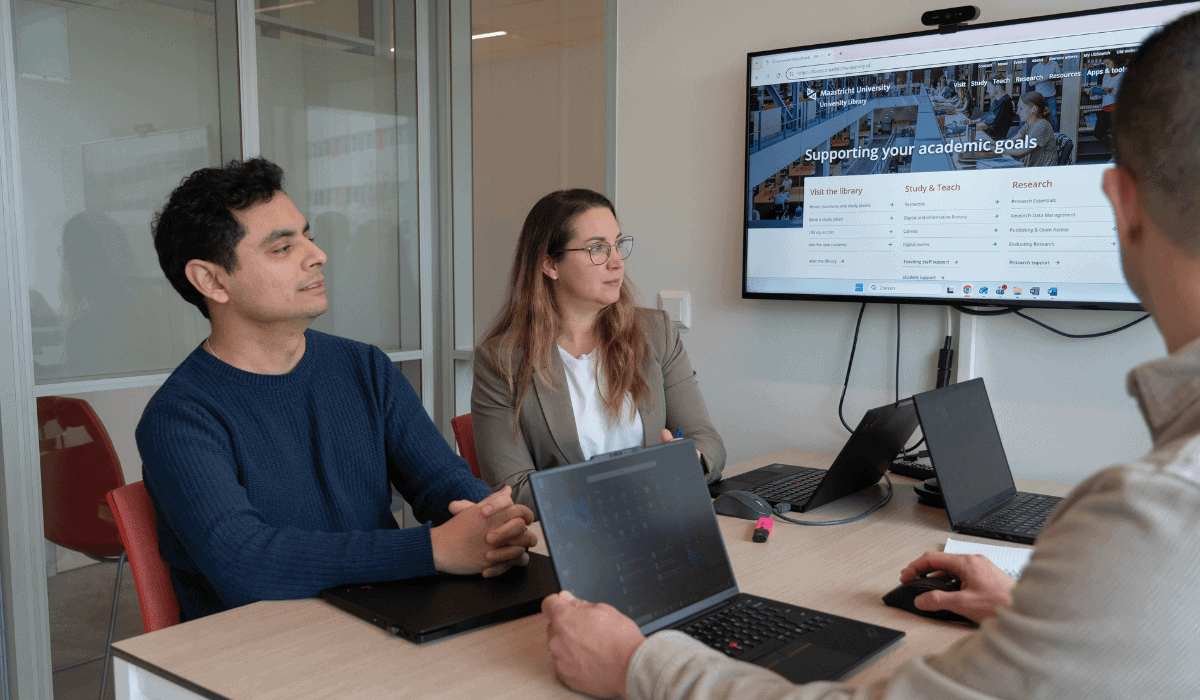
... that Maastricht University (UM) provides SURF Research Drive (SRD), a secure platform for storing and sharing research data? It allows UM researchers to collaborate with external partners, who can join via eduID, a national, institution‑independent digital identity, giving controlled access to shared project folders. This makes it possible to work jointly across institutions without shared infrastructure, while maintaining detailed permissions and strict data protection standards. Do you want to learn how this can support your research collaboration? Read more about this in a recent news item.
|
|
|
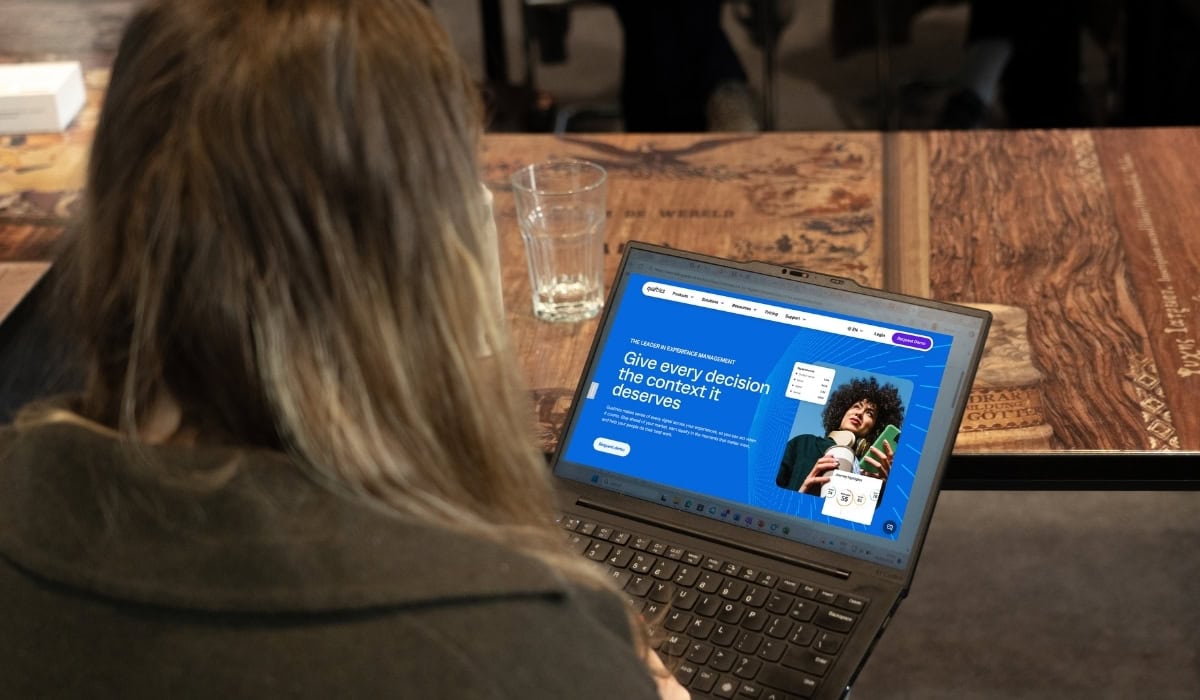
... that Qualtrics introduced an updated survey interface? The “New Survey Taking Experience” may impact how your surveys appear and function for respondents. To avoid any issues, it’s important to check your surveys in advance and ensure everything works as intended under the new interface. Make sure your survey is ready for this change and read more about this in a recent news item.
|
|
|
|
|
|
|
|
|
|
|
|
|
|
|